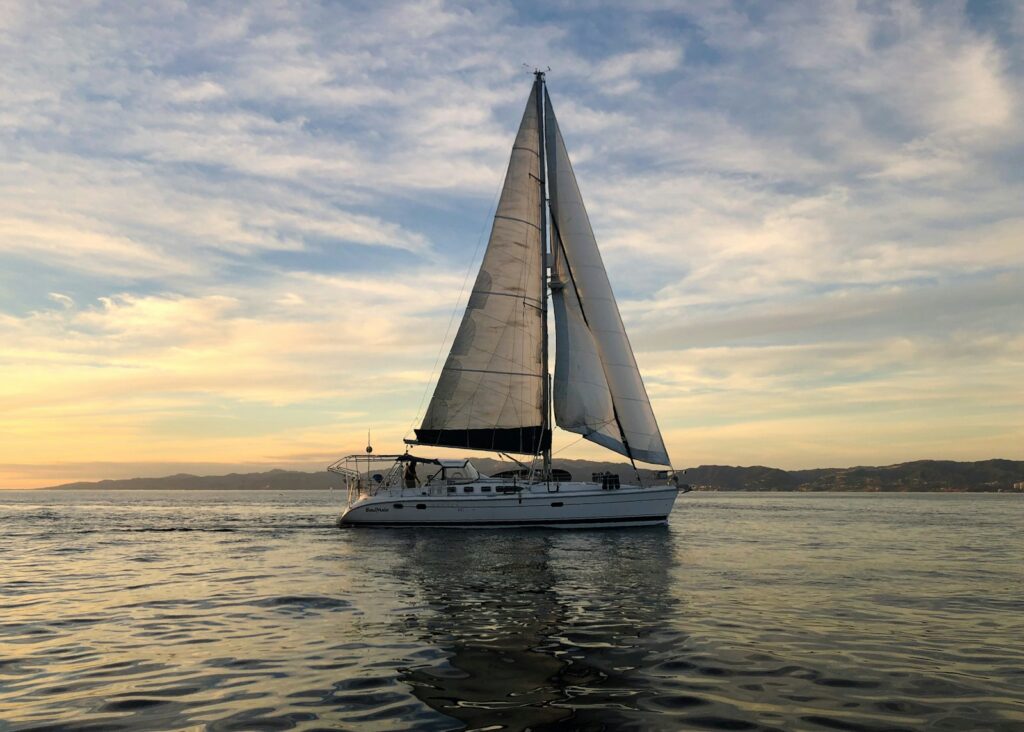
A Labuan Bajo phinisi 4D3N sailing route covers all of Komodo National Park’s signature highlights — the Padar Island panorama, Pink Beach snorkeling, the Manta Point cleaning station — while adding a full day of weather flexibility, a second set of sunrise and sunset anchorages, and access to the North and Central Komodo reef systems that a three-day trip simply cannot reach without rushing. Four days and three nights is, in my experience, the format where the trip stops feeling curated and starts feeling like a real journey at sea.
The difference between a 3D2N and a 4D3N is not just one more morning. It’s the operational breathing room that changes what your crew can actually offer you. Wind picks up off the south coast of Padar? You wait until it drops. The crowds at Taka Makassar sandbar haven’t thinned? You anchor somewhere else for lunch and return at the right moment. That kind of flexibility only exists when you’re not watching the clock the entire time.
Why 4D3N Is the Recommended Phinisi Trip Length in Komodo
Most charter operators will tell you that 3D2N is their most popular departure format — and that’s true. It’s also the format where guests most often say, on the last morning, that they wish they had one more day. The 4D3N format was designed precisely for those guests.
Here’s what the extra day actually buys you:
- Weather buffer
- Komodo National Park sits in a transition zone between the Indian Ocean and the Flores Sea. Afternoon squalls, shifting winds, and choppy surface conditions are not unusual from late October onward and even within the dry season window. One spare sailing day means your captain can reroute without cutting sites entirely.
- More marine coverage
- The 3D2N route focuses on the southern circuit. Four days opens the central and northern reefs: Batu Bolong, Tatawa Besar, Siaba Besar (where green turtles are reliably seen sleeping on the reef), and the upper passes that see stronger currents and the larger pelagic traffic that comes with them.
- Reduced crowding at key sites
- Popular anchorages like the Taka Makassar sandbar and Manta Point see a predictable surge mid-morning when the day boats and three-day charters converge. With four days and no hard schedule, you can time arrivals for early morning or late afternoon — sometimes with just your boat on the water.
- Slower pace on land
- The Komodo Island dragon trek and the Padar Island summit hike are both worth doing without rushing. On a 3D2N, you’re often doing both in one long day. On a 4D3N, they sit comfortably on separate mornings.
- A second sunset anchorage
- Kalong Island’s flying-fox exodus at dusk — tens of thousands of fruit bats streaming against the orange sky — deserves more than a hurried thirty minutes from a passing boat. Anchoring nearby for the night, then waking to still water and birdsong, is a different experience entirely.
The 4D3N Komodo Route: Day-by-Day
What follows is the standard framework for a best 4D3N phinisi liveaboard from Labuan Bajo. Private charters can adjust stop order, add or swap sites, and tailor the pace. Open-trip departures follow a fixed sequence; the outline below matches what most reputable operators run on this format.
Day 1: Labuan Bajo to Kelor Island and the Central Passage
Boarding typically happens at Pelabuhan Labuan Bajo between 09:00 and 10:00. Morning flights from Bali (roughly 1 hour 20 minutes) land at Komodo Airport in time for this window — your operator will usually coordinate a harbor transfer if you ask in advance.
The first afternoon is deliberately easy. Kelor Island, a small spire about 30 minutes from the harbor, offers a 10–15 minute climb to a viewpoint that frames the surrounding islands cleanly. Below the waterline, the fringing reef starts at snorkeling depth and deepens gradually — it’s a good first read on visibility and how your group handles the entry. For divers, this is where the briefing and buoyancy check happens before the heavier sites ahead.
After Kelor, the boat moves into the central passage, anchoring near Kanawa Island or an equivalent sheltered bay for the first night. Kanawa’s house reef drops from shallow rubble at 1–2 meters to about 10 meters of coral table at the base — afternoon snorkelers will find it rewarding. Dinner aboard and an early night. The first sunrise is tomorrow.
Day 2: Padar Sunrise, Rinca Dragon Trek, Kalong Island at Dusk
The alarm for Padar is set around 04:30. The phinisi repositions overnight or departs in the pre-dawn dark so you arrive at the Padar Island beach before first light. The trail to the summit viewpoint climbs roughly 800 steps — the figure ranges in published guides between 700 and 900, and the honest answer is that it varies by route and how you count switchbacks. It takes 30 to 45 minutes at a moderate pace and about 20 if you move with purpose.
The view from the top is the one that made Komodo famous on social media: three bays spread below you, each with sand of a different color — black volcanic, pale white, and the pinkish-red that names Pink Beach. The light at sunrise hits the ridgeline from the east and turns the grass slopes a saturated gold. It’s worth every step, and it’s worth arriving before the other boats do.
Back on board for breakfast, then on to Rinca Island. Loh Buaya is the main ranger station here, and the dragon trek is mandatory with an official park ranger — no unaccompanied walking in Komodo dragon habitat, full stop. The Rinca circuit typically takes 45 minutes to an hour. Komodo dragons (*Varanus komodoensis*) are most active in the morning before the midday heat; you will see them. Whether you see them hunting depends on the day. Water buffalo are present around the station, and the birds — the yellow-crested cockatoos especially — are worth your attention even if the dragons are dozing.
The afternoon moves to Pink Beach on Komodo Island’s eastern shore. The pink tint comes from fragments of Foraminifera shells — microscopic marine organisms with red-pigmented casings — mixed into the white coral sand. It’s one of a small number of genuinely pink-sand beaches in the world, and the reef just offshore is among the better snorkeling sites in the park: table coral, chromis schools, the occasional turtle. Lunch and a long afternoon in the water.
As the sun drops, the boat heads north to Kalong Island for the nightly bat emergence. The flying-fox colony here numbers in the thousands — estimates go as high as 10,000, though this is a field count rather than a census. The bats depart in a streaming wave starting around 17:30–18:00, heading inland to feed. It takes a while for the full column to clear the trees. The overnight anchorage here or nearby is one of the quieter nights you’ll have in the park.
Day 3: Manta Point, Taka Makassar, North Komodo Reefs
This is the day that separates the 4D3N format from everything shorter. Manta Point — formally Karang Makassar — is a shallow cleaning station where reef mantas (*Mobula alfredi*) circle at depths of around 5 to 15 meters, allowing smaller cleaner fish to remove parasites. Wingspans on adults run to 4.5–5 meters. Snorkelers have a genuine shot here because the mantas work at the surface; divers should stay neutrally buoyant and well clear of the animals. The park code asks for at least roughly 3 meters of distance and no chasing or swimming directly above a manta in descent.
Mantas are resident in Komodo year-round, with the strongest aggregations typically from May through September when cooler upwellings from the south bring the plankton blooms that sustain them. Even outside peak season, encounters at Manta Point are frequent enough that it features on almost every 4D3N schedule.
After Manta Point, the route swings to Taka Makassar — the crescent sandbar that nearly vanishes at high tide. Timing matters here. Arriving at mid to low tide gives you the walkable sand ridge and the Instagram frame everyone expects. Your captain will know the tidal window; this is one of the few moments where the schedule matters down to the hour.
The afternoon is the slot that the 3D2N route cannot afford but the 4D3N route owns: the north and central Komodo reefs. Batu Bolong, a submerged pinnacle with some of the highest fish-life density in the region, and the adjacent Castle Rock and Crystal Rock passes draw serious divers specifically for this reason. These sites carry strong and variable currents — Komodo is not a place for open-water divers to skip the briefing. Certified Advanced Open Water divers will find the north circuit sharply different from the southern snorkel sites: pelagic fish, schooling jacks and trevally, reef sharks, and the occasional hammerhead on deeper passes in the right season. For non-diving guests, the northern reef tops in calmer conditions still offer exceptional snorkeling with good visibility.
Overnight anchorage in a protected northern bay. Some operators anchor near Tatawa Besar or the lee of one of the smaller park islands, away from the main boat traffic.
Day 4: Komodo Island Morning, Return to Labuan Bajo
The final morning is often used for a second dragon encounter — this time on Komodo Island itself, through Loh Liang, the main ranger station on the park’s namesake island. The Komodo trek is longer and more varied than Rinca’s circuit, with a choice of short, medium, or long trail options. The short route takes roughly 45 minutes and covers the main dragon concentration areas near the kitchen; the medium and long routes go deeper into the forest and involve a genuine hike in tropical heat. Bring water.
Departure from Komodo Island by late morning puts you back at Labuan Bajo harbor by early-to-mid afternoon — typically 14:00–16:00 depending on conditions and final stops. This timing works for late-afternoon or evening flights back to Bali. If you have an early-afternoon flight, discuss the return plan with your operator before departure; most can adjust the final morning’s schedule accordingly.
Some boats make one final snorkel stop on the return passage — the reef around Siaba Besar, known for sleeping green turtles, or the shallows off Bidadari Island close to the harbor — before pulling into the dock.
North and Central Komodo Reefs: What the Extra Day Unlocks
The north Komodo reef system is routinely cited in dive publications as one of the top ten dive destinations in the world, and it is genuinely different from the southern circuit. The water temperature in the north runs warmer, averaging around 27–29°C, because it sits above the thermocline that brings cold upwellings into the southern and central park areas. Visibility on a good day in the dry season can reach 20–30 meters.
The key north Komodo sites accessible on a 4D3N itinerary:
- Batu Bolong — A single rock pinnacle surrounded by current-swept walls covered in soft coral. Fish density here is extreme by any global standard. Even snorkelers on the surface see the schooling activity below.
- Castle Rock — A submerged plateau about 5–25 meters depth, north-facing with strong currents. Reef sharks, grey reef, and whitetip, are typical. Requires solid buoyancy control and current experience.
- Crystal Rock — Sits close to Castle Rock, shallower in parts, with leopard sharks resting on sand patches and prolific hard coral cover. Slightly more accessible for recreational divers than Castle Rock.
- Tatawa Besar — A larger island with extensive reef systems on multiple exposures. Turtles are common here, and the reef macro life — nudibranchs, flatworms, ghost pipefish — is a draw for underwater photographers.
- Siaba Besar — Known primarily for green sea turtles (*Chelonia mydas*) sleeping in the coral heads in the afternoon. A gentler site, good for snorkelers and less experienced divers.
A 3D2N itinerary can reach one of these sites on a compressed schedule if conditions cooperate perfectly and the route is planned around it. Realistically, doing the southern circuit justice — Padar, Rinca dragons, Pink Beach, Manta Point — and reaching north Komodo in the same trip means sacrificing something, usually Manta Point or the dragon trek. The 4D3N route does not require that sacrifice.
If you’re traveling specifically to dive the north Komodo sites in depth, a 5D4N or longer diving-focused liveaboard is worth considering. But for the traveler who wants both the iconic highlights and a meaningful taste of north Komodo’s reefs, four days is the right call.
Pricing, Fees, and What to Budget
Charter pricing for a 4D3N Labuan Bajo phinisi trip covers a wide range depending on boat tier, group size, and season. These are working brackets for 2026, not fixed rates:
| Charter Type | Approximate 4D3N Range (USD, whole boat) | Notes |
|---|---|---|
| Open trip / shared cabin | $350–900 per person | Joining a group; 8–16 guests typical; quality varies widely |
| Mid-range private charter | $3,500–7,000 per boat | 4–8 cabins, AC, decent chef, dive setup; best value for groups of 6+ |
| Luxury private phinisi | $7,000–14,000+ per boat | En-suite cabins, higher crew-to-guest ratio, nitrox, serious galley |
| Ultra-luxury / superyacht phinisi | $12,000–25,000+ per boat | Quote-only; includes vessels like Aliikai, Lamima-style builds; rates are date and season specific |
Note: these brackets are directional. Actual quotes depend on the specific vessel, departure date, group size, and what is included. Always get a full inclusions list before comparing prices.
Park and Conservation Fees
Komodo National Park entrance fees are not included in most advertised charter prices and are a consistent source of confusion. The per-person components stack up across a multi-day trip. As of 2026 — and these figures are periodically revised, so confirm close to your travel date — expect roughly:
- Park entrance fee (foreign visitor): approximately IDR 150,000–225,000 per person per day (weekday vs. weekend/holiday rates differ)
- Marine/dive or snorkel activity fee: approximately IDR 50,000–100,000 per day
- Ranger/guide fee on land treks: a group ranger charge, typically split among guests, plus an individual component of roughly IDR 50,000–100,000 per person per trek
- A local conservation and tourism levy component on top of the above
Across a 4D3N trip, total park-related fees for a foreign visitor typically run around IDR 600,000–1,200,000 per person (roughly $40–80 USD at current exchange). Payment is usually in cash and managed by the boat operator, who collects from guests and pays rangers at each site. A proposed increase in 2022 to a much higher annual pass figure (~IDR 3,750,000) triggered protests in Labuan Bajo and was not implemented; the prior structure remains in place as of this writing.
The one firm rule: rangers are mandatory on all land treks at Komodo Island and Rinca Island. No exceptions, no unaccompanied walking in dragon habitat.
Planning a 4D3N charter and want to match the right boat to your group? Our concierge team has vetted the operators who run this route properly. Plan your charter with us — we’re also available on WhatsApp for a quick conversation before you commit to anything.
Weather Buffer: Why the Extra Day De-Risks the Whole Trip
Komodo National Park sits at the convergence of two sea systems, and the weather consequences of that geography are real. The dry season window from April through October delivers the conditions most travelers expect — calm seas, good visibility, consistent sailing. But even in July and August, the park’s busiest months, squalls pass through, swells build overnight, and exposed headlands become inaccessible for half a day.
On a 3D2N itinerary, any weather disruption forces a choice: push through uncomfortable conditions to stay on schedule, or skip a site entirely. Neither option is what you paid for. On a 4D3N itinerary, a half-day of wind means you anchor, wait, and sail when it’s right. The schedule absorbs the disruption without sacrificing sites.
The shoulder months — May and June at the start of the season, late October and November toward the end — are particularly prone to variable conditions. They also offer the least crowded experience in the park. The 4D3N format is especially valuable in these periods precisely because the weather buffer matters most when conditions are less predictable.
January and February are a different matter. Heavy rain, strong winds, and consistently rough seas make phinisi sailing genuinely uncomfortable on many days, and several operators reduce or suspend sailings in February. If you’re traveling in the wet season, go in with realistic expectations and a flexible booking policy.
Private Charter vs. Open Trip for 4D3N
The format question matters as much as the duration. On a shared open-trip phinisi, you’re joining a group that may range from 8 to 16 guests on a fixed departure schedule. Prices are lower per person — sometimes significantly so — but the itinerary is fixed, the schedule is communal, and your sunrise at Padar happens when 30 other boats’ guests are also on the trail.
Private charter means the boat operates on your group’s timeline. You choose your anchorages, adjust the order of sites, extend a snorkel session when the conditions are extraordinary, and generally experience the park on your terms. For groups of six or more, the per-person price difference between a shared and a private mid-range charter narrows substantially. For groups of eight or more, private is often cheaper per person than a quality shared option.
The honest tradeoff is that a good private phinisi at the mid-range tier still requires vetting. Hull condition, generator reliability for AC cabins, dive compressor certification, and crew qualifications are not universally consistent across the market. An independent charter curation service — rather than the first operator you find on a booking platform — is how you avoid the gap between the photos and the reality.
What to Expect Aboard: Phinisi Life at Sea
The phinisi is a two-masted traditional Indonesian wooden sailing vessel, built by the Bugis and Konjo peoples of South Sulawesi — specifically from the village clusters of Tana Beru, Ara, and Lemo-Lemo in Bulukumba regency. UNESCO inscribed the art of phinisi boatbuilding on the Representative List of Intangible Cultural Heritage of Humanity in 2017. The vessels are constructed by eye, without blueprints, from tropical hardwoods including ironwood and teak, using wooden pegs rather than metal fastenings.
On a modern luxury phinisi in Labuan Bajo, this heritage coexists with air-conditioned cabins, en-suite bathrooms, dive compressors, and onboard chefs who cook from fresh ingredients bought the morning of departure. The sun deck is the center of life at sea: meals, briefings, sunset, and the hours of nothing in particular that are the best part of any liveaboard trip.
Cabin configurations vary by vessel. Most luxury phinisi carry four to seven cabins, typically mixing a larger master at mid-ship (better for motion sensitivity) with standard cabins toward the bow and stern. Lower deck cabins near the engine room are cooler but noisier; ask specifically which cabins you’re booking if the distinction matters to you.
For divers: most quality 4D3N diving-focused phinisi carry compressors and can fill tanks for 3–4 dives per day at the north and central Komodo sites. Nitrox is available on many vessels but not universal — confirm before booking if this matters to your profile. Certification is required; Open Water certification covers the southern snorkel and reef sites, but the north Komodo passes at Castle Rock and Crystal Rock are genuinely Advanced territory because of current exposure and depth.
How to Book a 4D3N Labuan Bajo Phinisi Charter
Booking logistics are straightforward in principle and complicated in practice. The high-quality boats with competent crews and properly maintained equipment book out four to six months ahead in the July–September peak. The boats still available two weeks before departure in August are, with a few exceptions, the ones with reasons to be available.
A few practical considerations:
- Book early for peak season (July–September). Three to six months is not excessive for a private mid-range or luxury charter. Open-trip departures have more availability but quality control matters more on shared boats where you cannot choose your crew.
- Get a full inclusions list in writing. Specifically: are park fees included or extra? Are dive tanks and weights included? Is alcohol available onboard and at what cost? What is the fuel surcharge policy if added?
- Confirm the no-fly interval after diving. If you’re flying back to Bali on Day 4, you need to know the last dive time on Day 3 and whether it clears the standard 12–18 hour surface interval before flying. This affects Day 3 dive scheduling.
- Check the weather cancellation policy. Reputable operators will reschedule or offer credit if conditions make the trip unsafe; the definition of “unsafe” and the notice period should be spelled out before you pay a deposit.
If you’re arriving from Bali, the flight to Labuan Bajo (LBJ, Komodo Airport) takes around 1 hour 20 minutes. Garuda Indonesia, Wings Air, Lion Air, and Batik Air all operate the route on varying schedules. A morning departure from Bali gets you to the harbor in time for a 10:00 board — the standard Day 1 start time for most 4D3N charters.
Ready to plan your route? The 4D3N format has more variables than the booking platforms show — the right boat for a diving group is not the same as the right boat for a honeymoon couple. Our team at Phinisi Atlas matches charters to groups properly. Get in touch, or drop us a message on WhatsApp and we’ll walk through the options with you directly.
Frequently Asked Questions
Is 4D3N long enough to see the main Komodo highlights?
Yes — four days and three nights covers all of the park’s signature sites comfortably: the Padar Island sunrise viewpoint, a Komodo dragon trek on Rinca or Komodo Island, Pink Beach snorkeling, Manta Point, Taka Makassar, and the Kalong Island bat exodus. It also has room for at least one north or central Komodo reef dive or snorkel session and a second dragon encounter, which a 3D2N trip cannot reliably fit.
What is the best time of year for a 4D3N phinisi trip from Labuan Bajo?
The dry season from April through October gives the best conditions: calm seas, good underwater visibility (20–30 meters on clear days), and reliable sailing wind. July through September is peak season — busiest and most expensive, but the water is at its clearest and manta aggregations are typically strong. May, June, and late October offer a genuine sweet spot: dry-season conditions with fewer boats. January and February are the roughest months; many operators reduce sailings, and comfortable phinisi travel is not guaranteed.
What is included in a 4D3N phinisi price and what costs extra?
Most charter prices include accommodation aboard, all meals prepared by the onboard chef, non-alcoholic drinks, snorkeling gear, a guide or divemaster, and boat fuel. Komodo National Park entrance fees, ranger fees, and marine activity charges are almost always extra — roughly IDR 600,000–1,200,000 per person total across the trip, paid in cash and usually collected by the boat operator. Dive tanks, weights, and nitrox (if available) may be charged separately on dive-focused charters. Alcohol, drone permits, and crew gratuity are also typically additional. Always request a full inclusions list before booking.
Can non-divers and non-swimmers fully enjoy a 4D3N Komodo phinisi charter?
Fully, yes. The park’s major land experiences — Padar sunrise hike, Rinca or Komodo dragon trek, Kalong bat exodus — require no swimming at all. The snorkel sites, including Pink Beach and Manta Point, are accessible in shallow water with a life jacket for non-swimmers; crew will assist. The onboard experience itself — the sailing passages, the anchorages, the meals on deck — is where a significant part of the pleasure lives, and none of it requires a certification or comfort in the water. That said, if you or someone in your group has seasickness concerns, discuss this with the operator before booking and ask about stabilizers and cabin position.
How does the 4D3N route differ from the standard 3D2N Komodo itinerary?
The core sites overlap — both formats cover Padar, a dragon trek, Pink Beach, and Manta Point. The differences are structural. A 4D3N itinerary separates the Padar sunrise and the Rinca dragon trek onto different days rather than combining them into one exhausting morning. It adds a half-day or full day on the north and central Komodo reefs (Batu Bolong, Castle Rock, Siaba Besar) that a 3D2N schedule cannot reach without cutting something else. And it builds in a weather buffer day that means a wind delay or swell doesn’t cost you a site — it just shifts the schedule. The pace is genuinely different: slower, more deliberate, less like a tick-box tour.