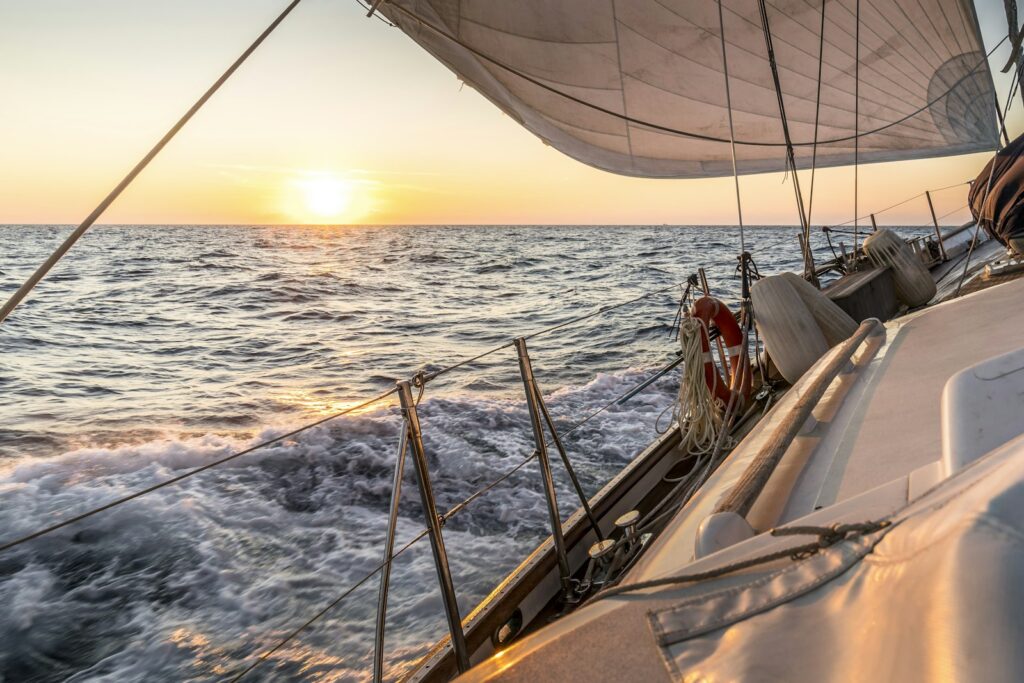
Find Your Phinisi Match
Tell us how you like to sail. We reply on WhatsApp with an independent shortlist of vetted phinisi and the right itinerary — no obligation.
Free, no obligation. We match boats to your style, not a fixed catalogue.
Phinisi, by Tier
From classic open-trip boats to ultra-luxury expedition yachts — vetted on amenities, safety, and crew, not marketing copy.
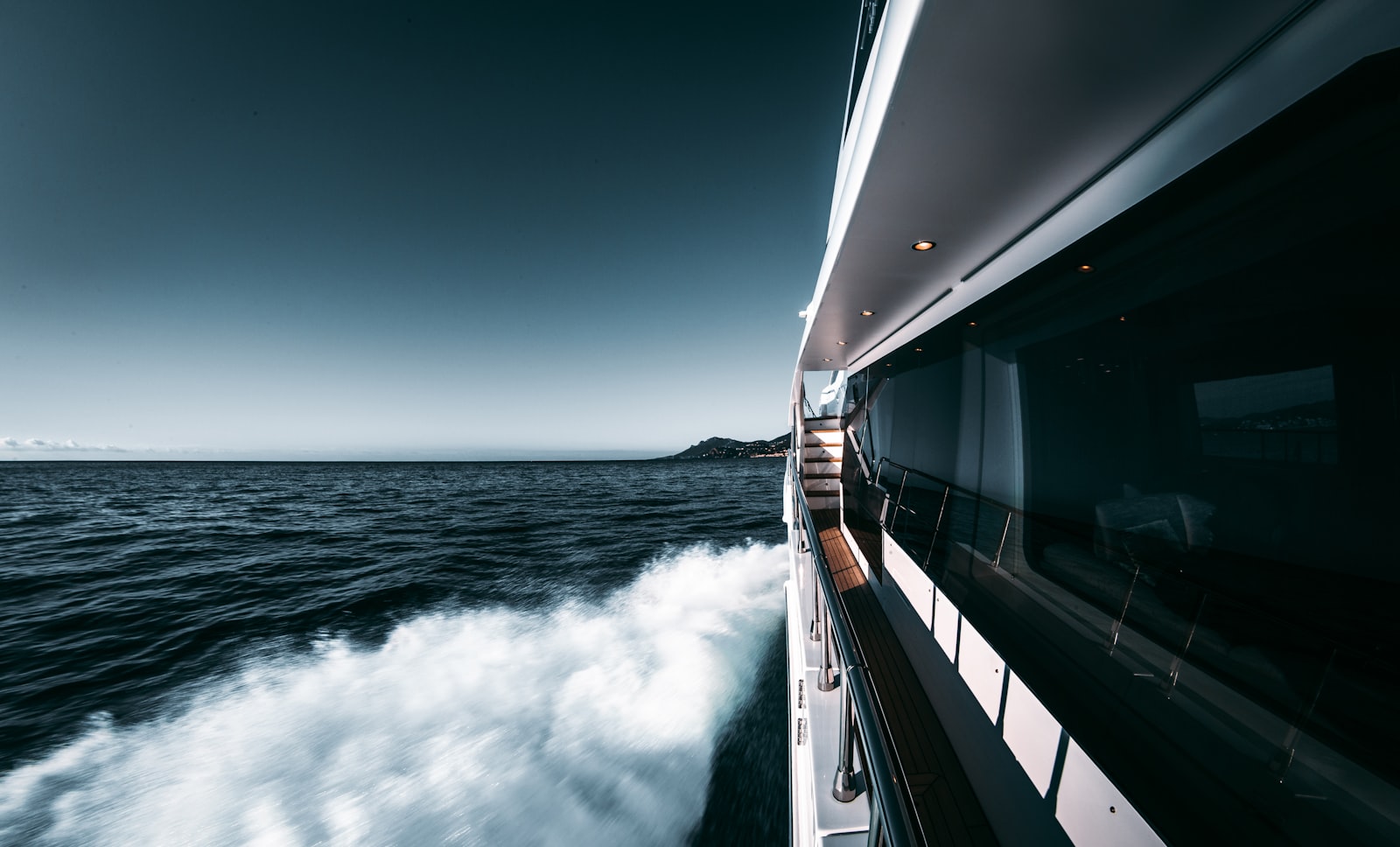
Luxury Phinisi
Compare tier →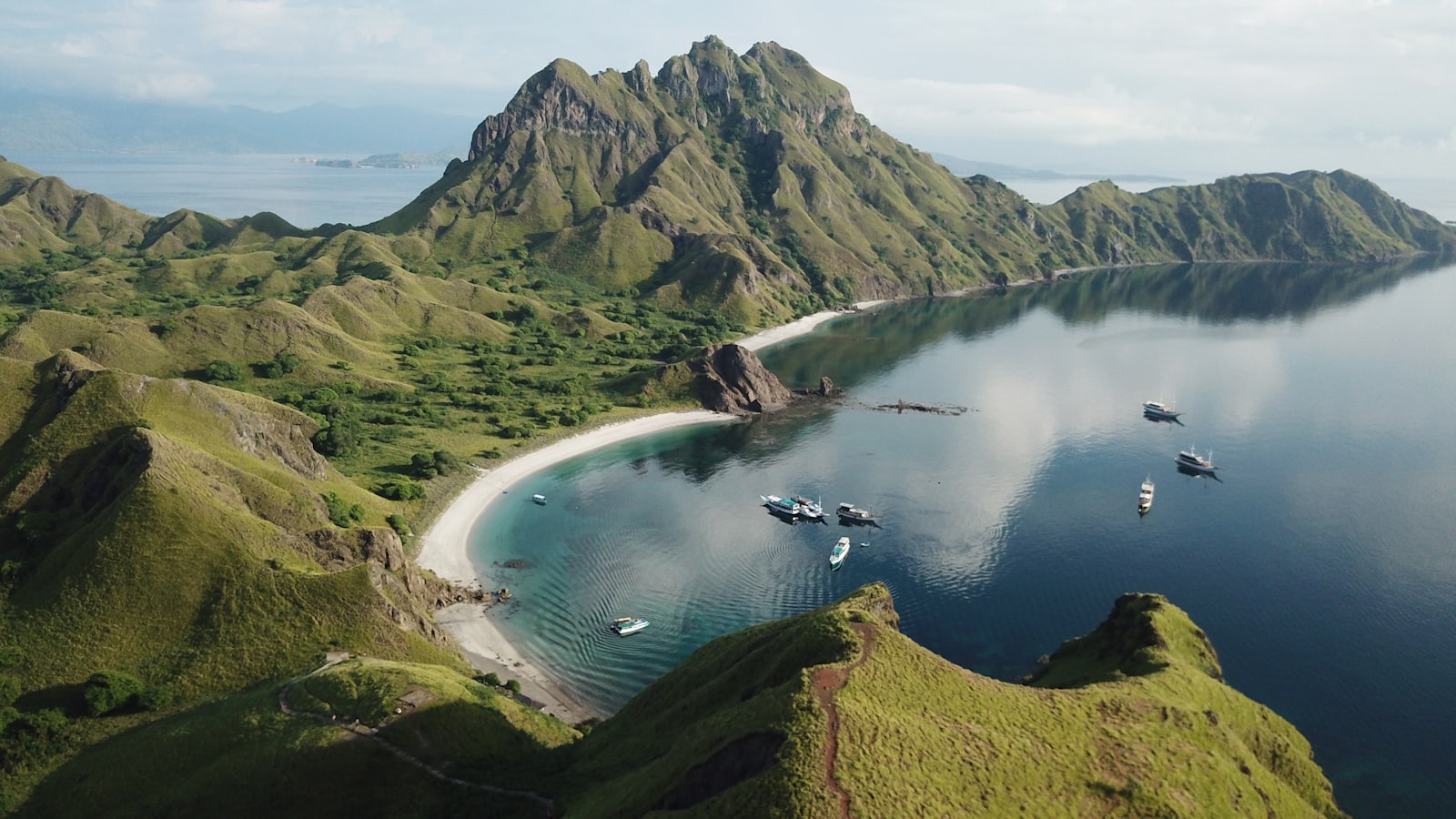
How We Vet Each Boat
See the framework →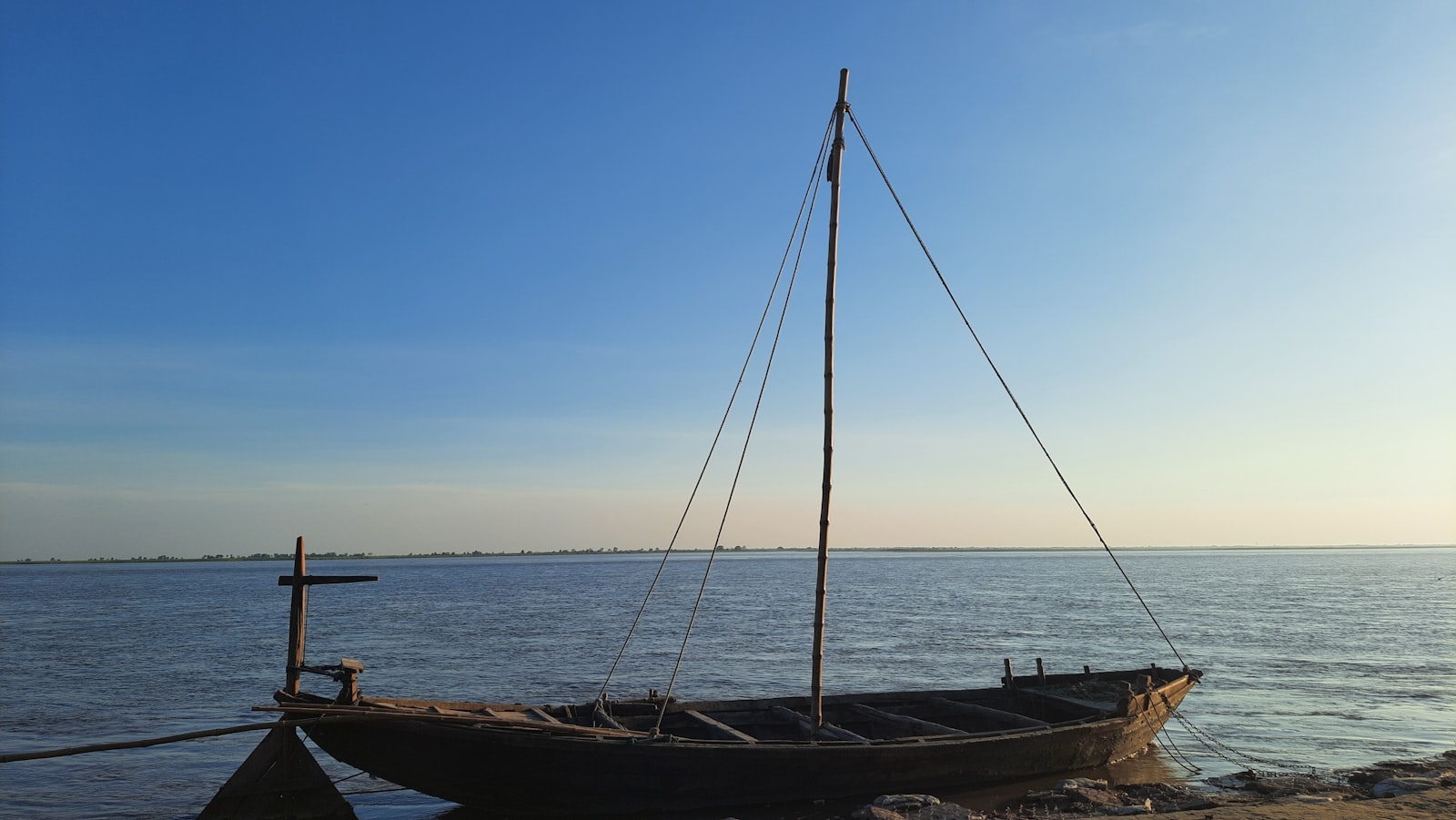
Private vs Open Trip
Weigh it up →Where You’ll Sail
The signature anchorages of Komodo National Park, reached by phinisi.
Why Phinisi Atlas
Independent
We don’t own boats or sell a fixed catalogue. We vet and compare every phinisi worth chartering, then match you to the right one.
Vetted First-Hand
Our editors sail these waters and inspect vessels for seaworthiness, safety gear, and crew standards before we recommend them.
Transparent on Cost
We publish the price brackets and Komodo National Park fees that operator brochures leave out, so you can budget honestly.
Concierge Planning
One conversation from first message to last sunset: shortlist, itinerary, permits, flights and dietary needs.
How Our Vetting Works
Three steps from enquiry to the right phinisi.
You tell us how you sail
Nights, group size, budget, and whether you care most about diving, dragons, comfort, or privacy.
We shortlist vetted boats
You receive an independent shortlist with honest tradeoffs, real price brackets, and itinerary options.
You sail with confidence
We coordinate the booking, park fees and logistics with the operator, then you focus on Komodo.
A labuan bajo phinisi is a traditional Indonesian wooden vessel, built by the Bugis, Makassar, and Konjo peoples of South Sulawesi, chartered from the port town of Labuan Bajo to explore Komodo National Park. In 2017, UNESCO inscribed the art of phinisi boatbuilding — formally, Pinisi, art of boatbuilding in South Sulawesi — on its Representative List of Intangible Cultural Heritage of Humanity, recognising a craft that has been passed down through Konjo family apprenticeships for centuries, largely without written blueprints. Today, those same boats — updated with air conditioning, en-suite bathrooms, and dive compressors — are the definitive way to move through one of the world’s most biodiverse marine parks.
At Phinisi Atlas, we do not sell charters. We vet them. Every boat in our curated fleet has been assessed against a consistent framework covering hull and cabin standards, crew credentials, safety equipment, kitchen hygiene, and environmental practice. What follows is our full independent guide to planning a phinisi trip from Labuan Bajo: what to expect aboard, how the park works, what things actually cost, and which traveller types fit which tier. Read it before you talk to a single operator.
What Makes a Phinisi Different from Any Other Boat
The hull is keel-first, planked before the frames go in, built from tropical hardwoods — ironwood (kayu besi or ulin) and teak — joined with wooden pegs called treenails rather than nails. The tree felling, keel laying, and first launch are each marked by Konjo-Bugis ceremony. The main building villages are Tana Beru, Ara, and Lemo-Lemo in Bulukumba regency on the south coast of South Sulawesi; you can still watch hulls taking shape on the beach there today.
The traditional rig is a two-masted gaff-ketch arrangement carrying seven or eight sails on standing gaffs. Sails draw out like curtains along the spars rather than running up a conventional mast track. In practice, modern luxury phinisi use their engines for the day-to-day island-hopping inside Komodo National Park; the sails are raised for sundowners and long crossings when wind allows, and they do change the atmosphere aboard measurably.
Hull lengths on vessels operating out of Labuan Bajo typically run 20 to 35 metres. Custom expedition builds stretch toward 50 metres. The difference matters: a 20-metre boat with four cabins feels intimate but tight for a group of eight; a 35-metre vessel gives proper separation between forward and aft sleeping quarters, a dedicated dive deck, and a sun lounge large enough to actually use.
Why a Phinisi Beats a Speedboat for Komodo National Park
The speedboat day-trip from Labuan Bajo is not the same experience. You leave at dawn, cover the highlights in roughly eight hours, and return to town sunburned and slightly damp. There is nothing wrong with it for budget travellers or those with a single free day. For everyone else, the comparison is straightforward.
Aboard a liveaboard phinisi, you anchor in the bays overnight. Padar Island at 5 a.m., when the light turns the three-coloured bays rust-gold and the boat traffic hasn’t arrived yet, is a different site from Padar at 10 a.m. with twelve speedboats idling below the viewpoint. Taka Makassar — the crescent sandbar that partly disappears at high tide — is best walked at low tide in the early morning, when the water is glass. Kalong Island’s nightly exodus of thousands of flying foxes into the dusk happens on their schedule, not yours; a phinisi anchorage puts you there. Speedboats are back in town by then.
A phinisi also handles swell better than a fibreglass speedboat. The Flores Sea can produce a short, sharp chop between June and September when the southeast trade winds are running. A 25-metre wooden hull absorbs that motion differently from a rigid inflatable or a fibreglass speedboat doing 40 knots. Guests prone to seasickness consistently report that the rolling anchorage overnight is far more manageable than the pounding transit on a day boat.
The Sites: What You Are Actually Going to See
Komodo National Park covers roughly 1,817 square kilometres of land and sea across three main islands and dozens of smaller ones. A standard phinisi liveaboard labuan bajo itinerary touches a core circuit, with variations depending on your priorities and duration.
Padar Island
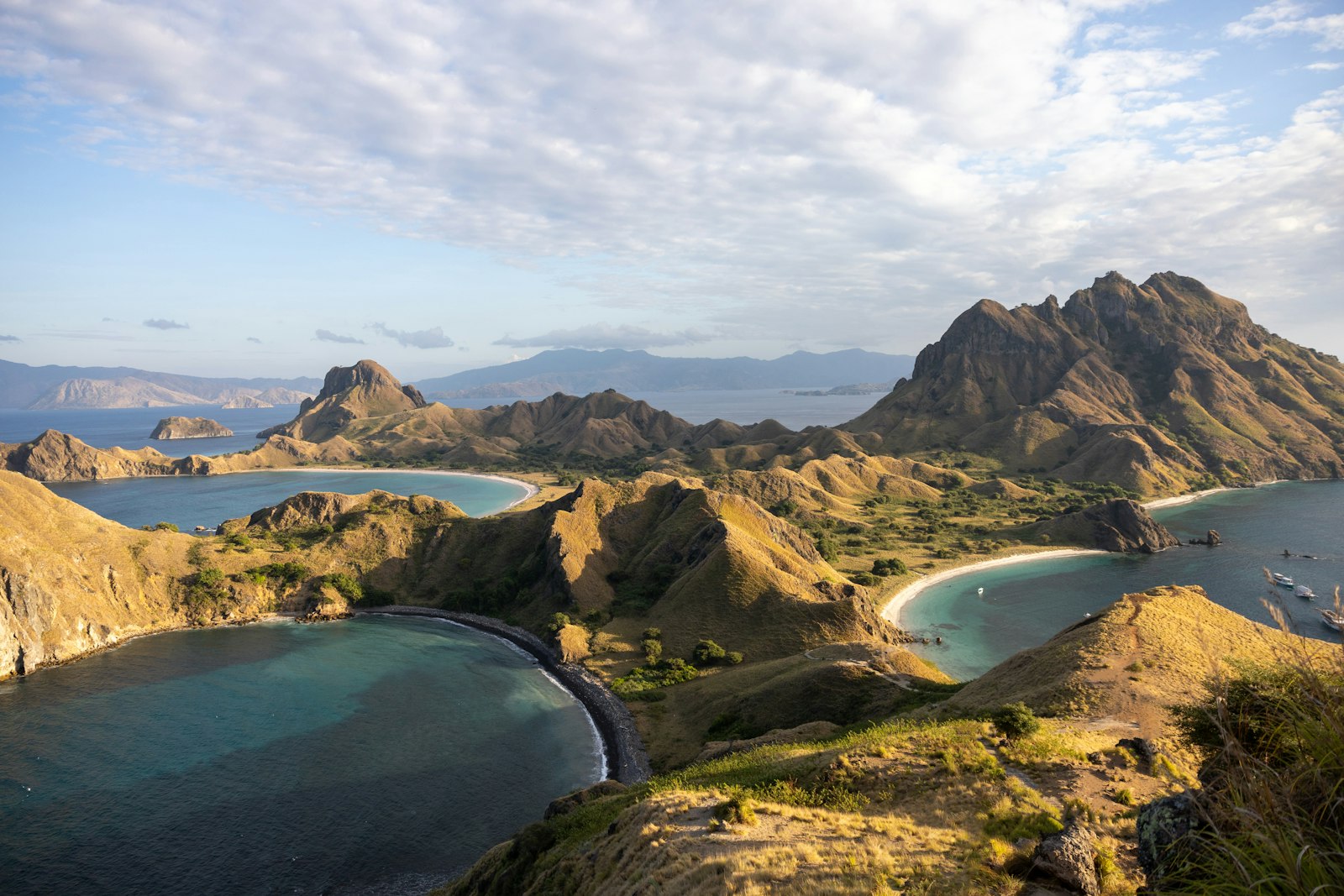
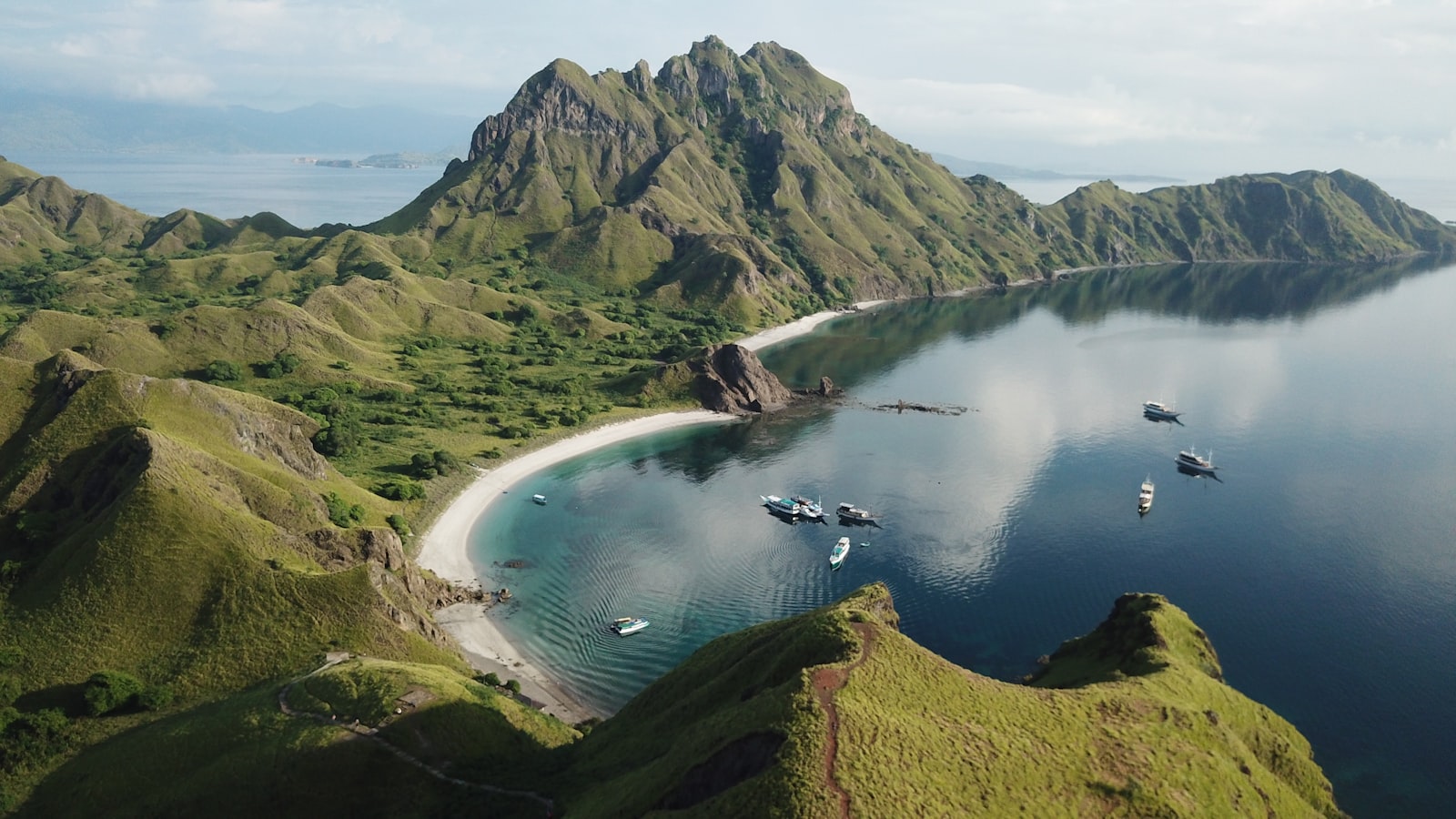
The hike climbs roughly 800 steps — the number varies slightly depending on which published source you consult, and the path has been maintained and extended over the years — to a ridge with a famous triple-bay panorama: one bay with black sand, one white, one with the pink-tinted sand the park is known for. Allow 45 minutes to an hour for a relaxed ascent. Carry water. The summit is fully exposed and genuinely hot after 8 a.m.
Pink Beach (Pantai Merah) on Komodo Island
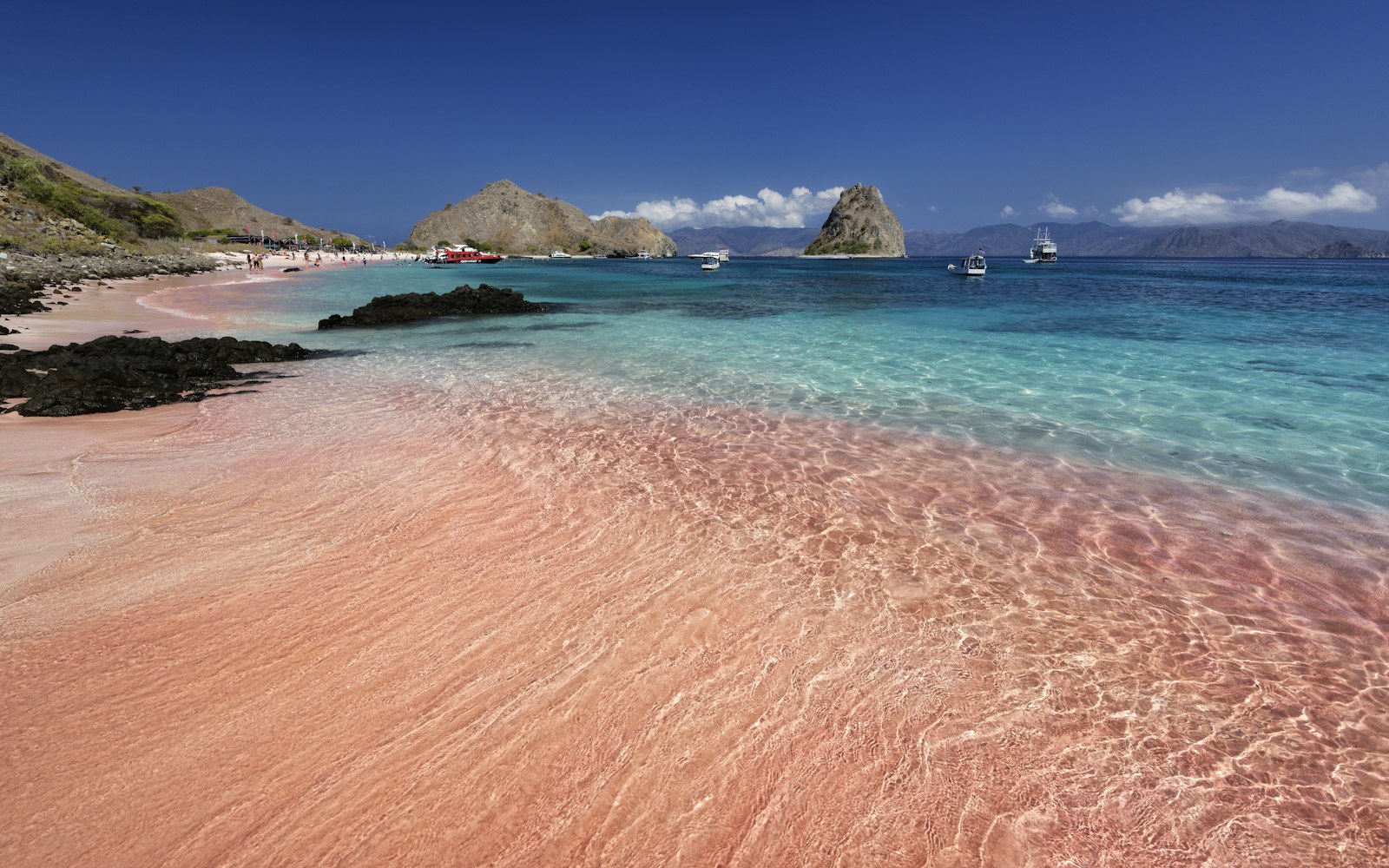
The pink tint is real and it is geological. Red-pigmented shells of microscopic Foraminifera organisms mix with white quartz sand; the proportion of pink to white shifts with the tide and the light. The fringing reef immediately offshore is one of the healthier accessible reefs in the park. Snorkelling at the southern end of the beach, where the reef drops, produces encounters with reef fish, small rays, and the occasional passing turtle.
Komodo and Rinca Islands: The Dragons
The park’s Komodo dragons (Varanus komodoensis) are distributed across Komodo, Rinca, Gili Motang, and Nusa Kode. Park-wide population estimates run around 2,500 to 3,000 individuals; the number is periodically revised by the park authority. Adults reach approximately three metres in length and 70 kilograms. The main ranger stations are Loh Liang on Komodo Island and Loh Buaya on Rinca. You do not walk in dragon habitat without a ranger — this is a park rule and it exists for good reason. Rinca is logistically closer to Labuan Bajo and is often included on shorter 3D2N itineraries; Komodo Island itself is further south and is the better choice for a full morning visit.
Manta Point (Karang Makassar)
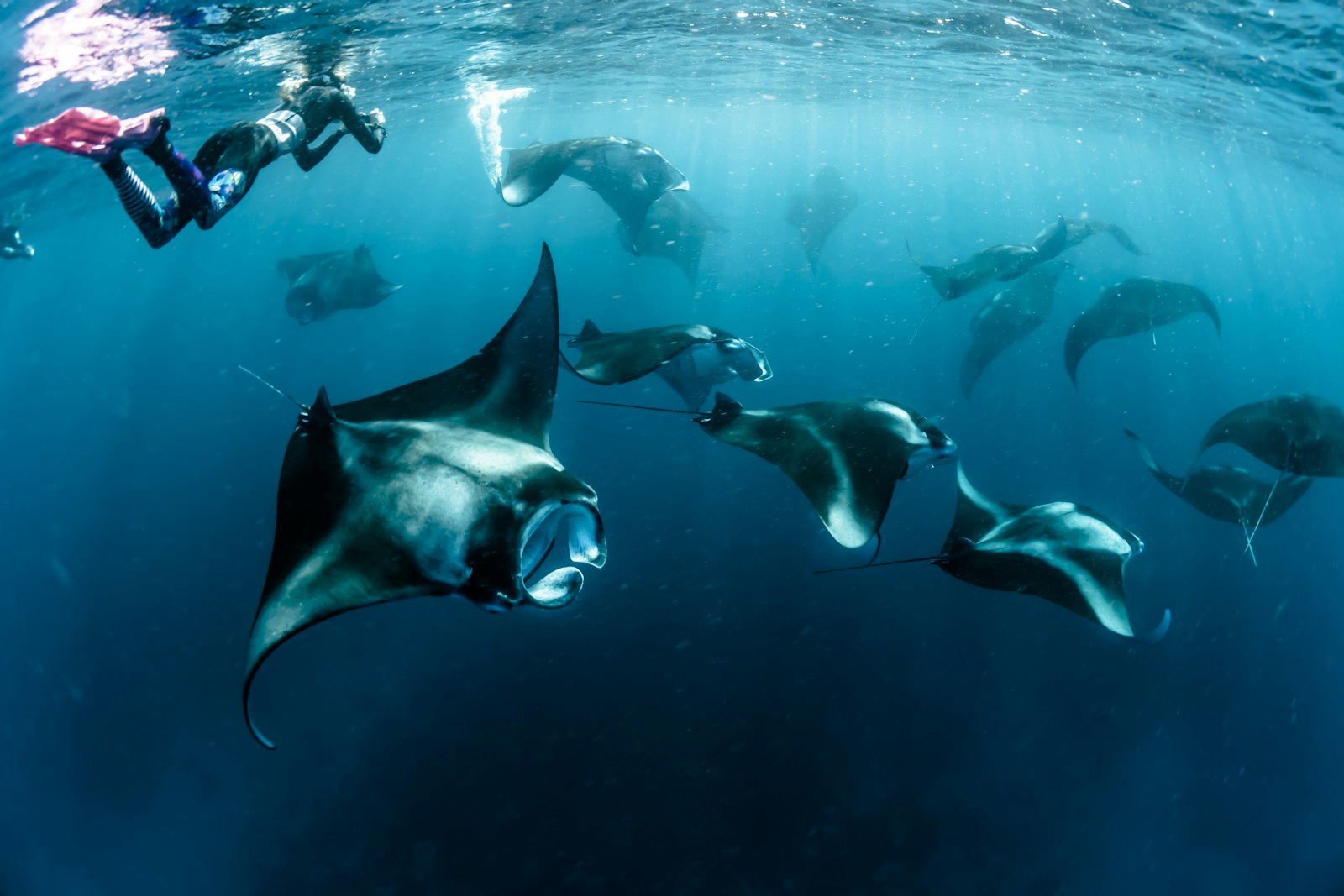
A shallow cleaning station where reef manta rays (Mobula alfredi) with wingspans up to around 4.5 metres circle at five to fifteen metres depth to be serviced by small cleaner wrasse. This is a snorkelling and free-diving site as much as a scuba site — the mantas work the top of the pinnacle in clear, fairly shallow water. The important caveat: manta encounters are never guaranteed, and cold upwellings from the south can reduce visibility dramatically in the southern and central sections of the park, particularly July through September. The best visibility in northern areas tends toward warmer months.
Kelor and Kanawa Islands
Kelor Island sits close to Labuan Bajo and is a common first or last stop — a short, steep ten-to-fifteen-minute climb to a viewpoint looking back over the bay. The house reef is modest but the logistics are easy. Kanawa Island is roughly 45 to 60 minutes by boat from town, with a fringing coral shelf starting at one to two metres off the beach and dropping to five to ten metres. Both are well-suited to non-divers and children.
Taka Makassar
A white sandbar a few hundred metres long at low tide, barely above the waterline and completely submerged when the tide comes in. The anchorage here is one of the most photographed on the circuit. Phinisi operators plan their arrival for early morning low tide; by mid-afternoon the bar has narrowed considerably.
Kalong Island (Bat Island)
At sunset, thousands to tens of thousands of large flying foxes stream from the island’s forest canopy in a continuous river of black silhouettes against the orange sky. The colony size is large — rough estimates suggest ten thousand or more, though no formal census has been published — and the display lasts 20 to 30 minutes. Standard practice is to anchor nearby and watch from the deck with a drink in hand. It is a genuinely memorable end to a day on the water.
Phinisi Tiers: How We Grade the Fleet
Not every phinisi in Labuan Bajo harbour is the same vessel wearing different marketing language. The actual differences between a budget shared boat and a high-specification luxury charter are structural, operational, and experiential. Below is the framework Phinisi Atlas uses when evaluating any boat. These are our independent criteria — no operator pays to be assessed, and no boat can buy its way into our recommended tier.
| Tier | Cabins / Capacity | Key Differentiators | Typical Price Range (2026, USD) |
|---|---|---|---|
| Open Trip / Shared | 6–14 berths, shared arrangement | Fixed departure dates, shared cabins or dormitories possible on budget boats, limited menu control, variable crew standard | ~$100–250 per person per day |
| Standard Private | 4–6 en-suite cabins, 8–12 guests max | Whole-boat charter, air conditioning, en-suite bathrooms, basic dive setup, local cook, snorkelling gear included | ~$1,000–2,000 per night (whole boat) |
| Deluxe / Mid-Luxury | 4–6 cabins, 8–10 guests | Above standard in fit-out, soundproofed cabins, improved galley, professional dive guide, tender included, better navigation systems | ~$2,000–4,000 per night (whole boat) |
| Luxury Phinisi | 4–7 cabins, 8–14 guests | Premium cabin materials, outdoor lounge / sun deck, Nitrox compressor, kayaks/SUPs, experienced bilingual crew, private dining setups | ~$3,000–6,000 per night (whole boat) |
| Ultra-Luxury / Superyacht Phinisi | 5–8 cabins, up to 16 guests | Custom builds, master suite, spa treatments, professional sommelier-level service, satellite connectivity, full dive support with advanced planning | ~$10,000–25,000+ per night (quote only) |
Two clarifications on the numbers above. First, every figure is a range — actual charter rates depend on season, group size, duration, departure date, and the specific vessel. Ultra-luxury rates are quote-only and not publicly fixed; the figures cited are based on published price windows and broker intelligence, not guaranteed rates. Second, these are whole-boat private charter figures. Divide by the number of people in your group and a luxury phinisi often costs less per head than booking equivalent accommodation and transfers separately in peak season.
The most common mistake travellers make: choosing a boat on price per cabin rather than on the crew-to-guest ratio and the condition of the safety equipment. A 2019-refit boat with a trained safety officer, working EPIRBs, an MMSI-registered radio, and a solid tender is worth more than a newer-looking vessel with a skeleton crew and life jackets stored in a locker that hasn’t been opened in three years.
Ready to compare our vetted fleet tiers in full detail? Explore the fleet tier comparison — each tier page lists what we require before recommending a boat at that level.
Itineraries: 3D2N, 4D3N, and When Each Makes Sense
The 3D2N phinisi liveaboard labuan bajo is the most common format and, for most first-time visitors, the right one. Two nights at anchor give you three full days on the water: enough for Padar, a dragon trek on Rinca or Komodo, Pink Beach, Manta Point, Kelor or Kanawa, and Kalong. The rhythm is unhurried without being slow. You leave before dawn on Day 1, clear the Labuan Bajo bay, and anchor somewhere near Kelor for your first snorkel before breakfast.
A typical day on a standard traditional phinisi komodo itinerary:
- Pre-dawn: Motor toward Padar or a sunrise anchorage. Coffee on deck.
- 5:30–7:30 a.m.: Padar hike (leave early — the viewpoint crowds from 8 a.m. onward). Return to boat, breakfast.
- 9 a.m.: Ranger-led dragon trek on Rinca or Komodo.
- Noon: Lunch aboard while the boat repositions to Pink Beach or Manta Point.
- 1–3 p.m.: Snorkelling or diving. Second snorkel stop if conditions allow.
- 4–5 p.m.: Taka Makassar, kayaking, or a second reef.
- 5:30 p.m.: Kalong Island for the bat colony sunset. Drinks on deck.
- Evening: Dinner at anchor. Star visibility in the Flores Sea away from town is exceptional.
The 4D3N format adds a full day of buffer. That day typically goes to one of three things: a longer dive program into the park’s northern sites (Castle Rock, Crystal Rock, Batu Bolong), a second sunrise hike at a different viewpoint, or simply a slower morning somewhere beautiful with nothing on the schedule. Families and dive groups consistently prefer 4D3N. The extra night also allows a more comfortable Lombok-side crossing if you are doing a one-way itinerary between Labuan Bajo and Lombok.
For dedicated divers, operators offer 5D4N and 6D5N dive-focused itineraries covering named sites across the park — Batu Bolong (a seamount famous for extraordinarily dense schooling fish), Castle Rock, Crystal Rock, Manta Point, Cauldron, Siaba Besar, and Tatawa. These itineraries assume Advanced Open Water certification at minimum for the stronger-current sites; some require a logged dive count. Komodo’s currents are not uniformly benign.
Our dedicated phinisi itinerary guides cover each duration with day-by-day breakdowns, site alternatives by season, and notes on which stops to prioritise if your morning is already crowded.
Park Fees and the Real Cost of a Komodo Trip
Park fees are the most consistent source of confusion in Komodo National Park trip planning — and the most consistent omission in operator marketing. Almost every charter advertises a boat rate and lists fees as “excluded.” Here is what that means in practice.
The fee structure for Komodo National Park has several components, and the exact figures change periodically. The proposed 2022 hike to a high annual pass fee triggered protests and was effectively shelved; as of 2025–26, the structure has reverted to a per-day model. Current approximate per-person figures:
- Park entrance fee (foreign visitor)
- Approximately IDR 150,000–200,000 per person per day (historically IDR 150,000 on weekdays, higher on Sundays and public holidays)
- Marine activity fee (snorkelling / diving)
- Approximately IDR 50,000–100,000 per person per day for snorkelling or diving in the marine park
- Ranger / trekking fee
- A group ranger charge, typically split among the group; add approximately IDR 50,000–100,000 per person for each dragon trek
- Local conservation and tourism levy
- Modest additional levy; amounts vary and may be consolidated into the above
Practical budgeting: for a 3D2N or 4D3N itinerary, allow approximately IDR 600,000 to IDR 1,200,000 per person in park and ranger fees — roughly $40 to $75 USD at current exchange rates. This is typically paid in cash and arranged through your boat operator. Verify the exact current structure with your operator or directly with the park authority close to your travel date; these figures have been revised before and may change again.
Beyond park fees, the full cost of a Komodo phinisi trip includes: flights from Bali (DPS) to Labuan Bajo (LBJ) on carriers including Garuda Indonesia, Wings Air, Lion Air, Batik Air, or Citilink — typically a 1 hour 10 minutes to 1 hour 25 minutes flight; one or two nights’ accommodation in Labuan Bajo before and after the charter; airport-to-harbor transfer (often included by operators); alcoholic beverages (almost always charged extra or BYO); gratuities for the crew (a matter of discretion but standard practice on private charters); and dive equipment rental or nitrox fees if not included in your boat rate.
An honest total-cost guide — including flights, pre/post accommodation, park fees, crew tips, and common extras — is available in our full pricing transparency breakdown. We show the all-in numbers that marketing pages don’t.
The Best Time to Go: Sailing Seasons on the Flores Sea
The broad answer to “when should I book a phinisi in Komodo National Park?” is April through October. That covers the dry season, when seas are calmer, underwater visibility is at its best (typically 20 to 30 metres in good conditions), and you are not rolling through a wet-season swell. But the dry season is not uniform.
April to June is the best combination of conditions and crowd density. The islands are still green from the wet season — Padar’s hillsides are covered in grass, which photographs beautifully. Seas are calm. The tourist boats are building toward peak season but have not yet reached it. This is when experienced travellers who know the park tend to book.
July to September is peak season. Conditions are excellent — the southeast trades produce some swell but visibility is high and dragon activity is strong (the thinner dry-season vegetation makes them easier to spot, and it is also the breeding season). Padar in the morning will have other boats. Pre-dawn departure is not optional if you want the ridge to yourself. Book well in advance; boats fill from four to six months out for July and August.
October and November are what experienced charter brokers call the sweet spot. Crowds thin, prices soften slightly on many boats, and conditions remain very good. The transition toward the wet season adds some unpredictability from mid-November onward.
December to March: January and February are the months to avoid if you have any flexibility. Heavy rain, strong winds, choppy seas, and reduced visibility characterize the core wet season; some operators reduce or suspend sailings entirely in February. December and March sit at the seasonal margins — manageable but not ideal. If travel is unavoidable in these months, choose a larger, more seaworthy vessel.
Manta rays are resident in the park year-round. Peak sighting probability runs from around May through September, with another productive window in September to November as migration patterns strengthen. The mantas at Manta Point are predominantly reef mantas; they work the cleaning station regardless of season, but cold upwellings from the south reduce visibility at that site particularly in June through August. Ask your operator about current conditions at specific sites — water temperature and visibility vary by site and by the direction of the prevailing current.
Full month-by-month conditions analysis, including dive-site-by-site visibility and current calendars, is in our seasonal guide to Komodo phinisi sailing.
Choosing a Boat: The Phinisi Atlas Vetting Framework
We are asked constantly: how do you actually vet a phinisi? The honest answer is that most independent vetting in this market is superficial — a few photos, a checklist of listed amenities, and a price comparison. Our process goes further. When we assess a boat for potential inclusion in the Phinisi Atlas recommended fleet, we look at twelve criteria across four categories.
Vessel Condition and Safety
Hull and engine documentation; generator backup (crucial for AC, dive compressors, and navigation overnight); life raft certification and service date; EPIRB registration; fire extinguisher placement and maintenance records; tender condition and horsepower (the tender is your evacuation vessel if the main boat has a problem at anchor). We ask to see documentation, not photos of the deck.
Cabin and Comfort Standards
En-suite bathrooms versus shared facilities; actual AC performance in the cabins (temperature logged, not just “AC available”); bunk dimensions; hot water reliability; mattress quality; porthole versus windowless berths. We note the difference between the master cabin presented in photos and the forward lower-deck cabin that a group of four is actually given.
Crew Quality and Ratios
Captain experience and documented licence; whether there is a dedicated safety officer or the roles are doubled up; guide language ability; chef training and kitchen hygiene standards; crew-to-guest ratio. A properly staffed luxury charter should have a high crew-to-guest ratio — the exact number varies by boat size, but you should not be on a twelve-guest vessel with three crew and expect attentive service.
Environmental Practice
Mooring buoy use versus anchor drops on coral; waste separation and sewage handling; reef-safe sunscreen policy; briefing quality on wildlife interaction rules (no touching corals, maintaining appropriate distance from manta rays — the park guidance is at least around three metres — no feeding dragons or other wildlife). Boats that anchor on coral heads are not on our list, regardless of how polished their marketing looks.
If you want our independent assessment of a specific vessel you have been quoted, use our charter concierge service. We do not take commissions from operators; our only obligation is to the traveller.
Who Is This Trip For? Traveller-Type Guides
Honeymoon and Couples Charters
A private phinisi for two is entirely possible and, at the right tier, one of the more extraordinary honeymoon settings in Southeast Asia. An evening deck dinner anchored off Taka Makassar with the Flores Sea to the horizon is genuinely romantic without any stage management required. The key considerations: choose a boat where the master cabin is genuinely separated from any crew quarters, and where the operator is experienced with private dining setups and flexible menus. Couples should also note that ultra-luxury private charters are priced per boat, not per person — a couple on a 10-cabin boat is paying for a lot of empty cabins. Matching the boat size to the group size matters. See our honeymoon charter guide for shortlisted romantic boats and planning considerations.
Families with Children
Phinisi trips work well for families, with the right vessel. Key requirements: a boat where the crew has prior experience with children; cabins configured for triple or quad occupancy; a sun deck where young children cannot fall overboard accidentally (netting and rails matter); shallow snorkelling sites like Kanawa and Kelor where non-swimmers can wade in from a tender rather than falling off a ladder into open water. Rinca can substitute for Komodo Island for dragon viewing — it is a shorter, calmer crossing from Labuan Bajo, which matters when children are aboard. Dragon treks are suitable for children who can walk confidently on uneven ground; rangers manage the pace. Full guidance in our family charter guide.
Dive Groups
Komodo National Park is one of the top ten diving destinations on the planet by most rankings that mean anything. The sites along the park’s central channel — Batu Bolong, Castle Rock, Crystal Rock — produce schooling fish aggregations at a density that surprises even experienced divers. The current can also be violent. A Komodo dive phinisi needs a capable dive guide who knows the tidal windows at each site, a compressor that actually produces Nitrox reliably, adequate tank fill capacity for multiple dives per day, and equipment rinse and storage that does not result in wetsuit soup by Day 3. Our dive liveaboard guide covers site conditions, certification recommendations, and which boats we trust for serious underwater work.
Booking: What to Know Before You Commit
Private charter contracts vary considerably between operators. Read the cancellation and weather policy carefully before paying any deposit. In high season, most reputable operators require 30 to 50 percent upfront with the balance due before boarding; cancellation windows range from 30 to 60 days for full or partial refunds. Weather-related cancellations — defined differently by each operator — are a particular sticking point. A boat that cannot safely depart due to conditions should not cost you your deposit; not all operators see it that way.
On booking timing: for July and August departures, the fleet books from four to six months in advance. April to June and October you can find availability on four to eight weeks’ notice for most tiers. Shoulder and wet-season dates may be bookable on two weeks’ notice but the best boats are still not available last-minute even then.
Flights from Bali: Labuan Bajo is served by Komodo Airport (code LBJ), approximately 1 hour 10 to 1 hour 25 minutes from Denpasar (DPS). Book morning flights on arrival day — afternoon arrivals leave little margin if the flight is delayed and the boat is waiting. On your final night, a late departure or a pre-dawn departure the following morning is standard to accommodate the no-fly window after diving.
Ready to match a specific vessel to your group, dates, and priorities? Plan your charter with our concierge team — or reach us via WhatsApp for faster back-and-forth on availability and current pricing. We work directly with vetted operators to confirm rates and availability on your behalf, with no markup and no hidden fees on our side.
Responsible Travel in Komodo National Park
Komodo National Park is a UNESCO World Heritage Site and a Marine Protected Area. The marine environment here is under real pressure from visitor volume, and the practices of individual charter boats compound or mitigate that pressure. When you choose a boat, you are also choosing an environmental stance.
The baseline responsible-charter standards we require of every Phinisi Atlas recommended vessel: exclusive use of mooring buoys at all established dive and snorkel sites — no anchoring on live coral; a crew briefing on reef etiquette before the first water entry; reef-safe sunscreen provision or at minimum a clear policy communicated to guests; no single-use plastics in the galley; proper waste separation with disposal on return to port; no collection of shells, coral fragments, or marine life. On land: strict adherence to official ranger escort requirements; no feeding or baiting of Komodo dragons; stay on designated paths.
The conservation levy collected as part of the park fee structure contributes, in principle, to ranger salaries, patrol vessel maintenance, and marine monitoring programs. Choosing operators who comply fully with the fee structure — rather than those who minimize or absorb fees into the headline price — is one of the most concrete things a traveller can do to support the park’s long-term management.
How Phinisi Atlas Works
We are not a booking agency or a tour operator. We do not hold inventory, take commissions from the boats we recommend, or earn referral fees from charter operators. Phinisi Atlas was built on a single premise: the traveller deserves an independent, informed perspective on which boats are actually worth the money, not which boats have the most aggressive sales operation or the most generous agent commissions.
Our curation process begins with a detailed vessel assessment — the twelve-point framework described above — followed by independent crew interviews and, where possible, a guest experience review from travelers who have chartered the boat. Boats are re-assessed periodically; recommendations can and do change when a vessel changes ownership, undergoes refurbishment, or when crew quality drops below our standard.
Our fleet catalog organizes vessels by tier, then by specialty (diving, honeymoon, family, expedition). Each boat page includes the assessment criteria that determined its placement, the honest tradeoffs, and — where directly relevant to a traveller’s decision — the things we found that were below the advertised standard. We publish those findings. Explore the full curated fleet or tell us about your group and we will shortlist three to five vessels that fit your dates, size, and priorities.
Frequently Asked Questions
How much does a labuan bajo phinisi charter cost in 2026?
For a private whole-boat charter, budget approximately $1,000 to $2,000 per night for a standard phinisi and $3,000 to $6,000 per night for a well-specified luxury vessel. Ultra-luxury superyacht phinisi start around $10,000 per night and are priced by quote. On a 3D2N private charter, divide the total boat rate by your group size to get the per-person cost — a group of eight on a $4,000-per-night luxury boat pays $1,500 each for three days, which is competitive with land-based resort accommodation in the region. Park and ranger fees are almost always excluded from the boat rate; budget an additional $40 to $75 USD per person for a 3D2N trip. Open-trip shared berths on non-private departures run roughly $100 to $250 per person per day depending on the boat class.
Is a phinisi trip in Komodo National Park safe for non-swimmers and children?
Yes, with appropriate boat selection. Non-swimmers can participate in snorkelling using a life vest and staying near the stern ladder or a tender; crew on reputable boats are trained to assist. Children need a vessel with deck safety features — solid railings, netting over open deck gaps, and crew who are attentive around young guests. Shallow entry points like Kanawa Island allow wading rather than falling into open water. The dragon treks on Rinca or Komodo are suitable for most children who can manage uneven terrain; the hike itself is not technically demanding, though the pre-dawn Padar stairs require reasonable fitness. Confirm safety specifications — life jacket availability for children, tender equipment, crew first-aid training — directly with your operator before booking.
What is the difference between an open trip and a private labuan bajo phinisi charter?
An open trip (or sharing trip) places you on a boat with other travellers you have not selected. Departures are on a fixed schedule, itineraries are standardised, and the cost is priced per cabin or per berth rather than per boat. This is the budget-accessible format and works well for solo travellers and small groups who want to meet people. A private charter means you book the entire vessel for your group; you control the itinerary, departure time, menu, and pace. For groups of six or more, private charter is often comparable in per-head cost to the premium open-trip boats, with considerably more flexibility. For groups of eight or more, private charter is typically more economical per person and the privacy advantage is significant.
Do I need diving certification for a phinisi komodo national park trip?
No — snorkelling guests are welcome on virtually all Komodo phinisi, and the majority of the key sites (Pink Beach, Kelor, Kanawa, Taka Makassar, Manta Point) are accessible without scuba equipment. For scuba diving, Open Water certification is the baseline minimum for calmer sites; for the current-exposed central-channel sites like Batu Bolong and Castle Rock, Advanced Open Water and a solid logged dive count are strongly recommended. Nitrox certification is an asset on dive-intensive itineraries. Komodo’s currents range from negligible to powerful depending on tidal cycle and site — a dive guide who knows the windows is not optional.
How far in advance should I book a labuan bajo phinisi for peak season?
For July and August — the peak of the dry season — book four to six months in advance for any quality vessel. The best-specified luxury phinisi fill earlier than that. April, May, June, and October are more forgiving: four to eight weeks’ notice is typically workable for mid-tier and standard private charters, though the top luxury boats will still be partially committed. If your dates are fixed and your boat preference is specific, earlier is always better. Last-minute availability does exist — cancellations happen — but it is not a planning strategy for a trip that involves flights and a fixed travel window.
Related reading
Explore Komodo National Park
The islands, beaches and dive sites of your voyage.