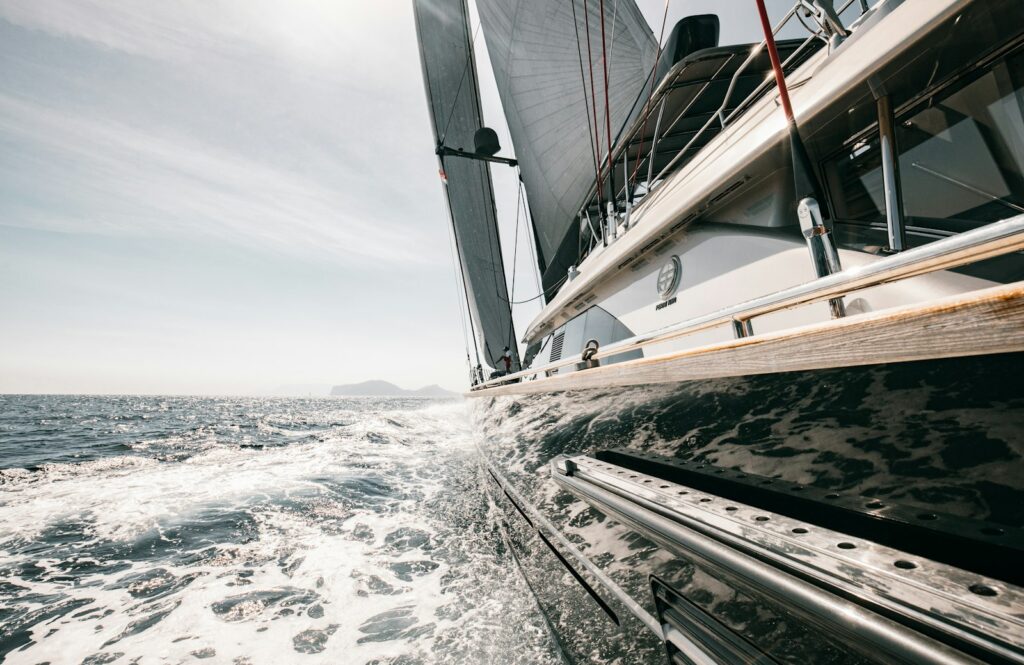
A Labuan Bajo phinisi boat for guests prone to seasickness is not simply any wooden vessel — it is a carefully chosen hull of at least 25 metres, with a midship cabin, a stable keel, and ideally a departure window in the dry-season months between May and October, when the Flores Sea cooperates. The good news: most guests who board anxious about motion sickness report that a well-selected phinisi on a calm morning crossing is genuinely nothing like the ferries they dreaded. The honest caveat: some passages in Komodo National Park — particularly the open water between Labuan Bajo and Padar, and the channels around Rinca — can run rough, and no amount of hull optimism fully replaces preparation.
This guide covers the practical decisions that actually make a difference: which boats handle the conditions better, where to sleep on the ship, when to go, what to take, and how the experienced crew navigates around the worst of it. I have walked dozens of engine rooms and slept in lower-deck cabins in both glassy-flat May mornings and February swells. What follows is the honest version.
Why Komodo Waters Challenge Some Guests
The park is not uniformly rough. The northern approaches near Kanawa Island and the sheltered bays around Kelor — both common first-day stops on a 3D2N itinerary — are typically calm. The problems begin in the open channels. The passage between Labuan Bajo and Padar Island crosses exposed Flores Sea water; on a southwesterly-wind morning in August, waves of one to two metres are routine. The narrower straits between Komodo and Rinca generate strong tidal currents — often two to four knots — which produce a short, choppy chop rather than long ocean swell. Short, irregular motion is harder on the vestibular system than long gentle rollers.
The second challenge is anchored-boat motion. Many guests who are fine underway discover they feel worse when the phinisi swings at anchor overnight in a bay with a cross-chop. A large, heavy hull swings less than a light one. Heavier displacement — common in the mid-range and luxury tiers with 28–35-metre vessels — genuinely helps at anchor.
Choosing the Right Phinisi: Hull and Boat Factors That Matter
Hull Size and Displacement
Length and displacement are the most measurable factors. Standard budget-tier phinisi run roughly 20–24 metres. The luxury and upper-deluxe boats commonly reach 28–35 metres. That difference is not merely cosmetic. A longer waterline length means the boat pitches over swell rather than into it. A heavier keel means the roll period is slower, which the inner ear reads as less threatening. If seasickness is a real concern for anyone in your group, skip the shorter economy boats regardless of budget pressure.
Modern phinisi built or refitted in the last decade also tend to have wider beams — five to six metres — which contributes to roll stability. Older narrow-beam hulls sail beautifully but rock more at anchor.
Cabin Position
On any vessel, the physics are consistent: the closer you sleep to the centre of pitch and roll — roughly midship, near the waterline — the less motion you feel. On a phinisi, this translates to the following rough hierarchy:
- Lower-deck midship cabin
- Lowest centre of gravity, least motion. The tradeoff is natural light — portholes only, or none. On quality boats, air conditioning runs through the night, which compensates significantly. This is the recommended berth for a genuinely seasickness-prone guest.
- Lower-deck forward cabin
- Still low, but forward of the pivot point — more pitch, particularly on the Padar crossing. Second choice.
- Upper-deck aft master cabin
- Premium light and views, but highest point on the boat and farthest from the roll centre. Beautiful on calm days; noticeably livelier in chop. Guests with no history of motion sickness will love it. Others should think twice.
- Upper-deck forward
- Worst position for seasickness, full stop. Maximum pitch, maximum roll, direct exposure to engine noise travelling up through the hull.
When booking, specify your preference explicitly. On a private charter you have leverage to assign cabins before departure. On a shared open trip, request a midship berth in writing — operators generally accommodate it for medical reasons.
Stabilizers and Vessel Technology
Most traditional phinisi do not carry active stabilizers — fins or gyroscopes — of the kind found on large motor-yachts. A handful of the ultra-luxury expedition vessels (the 40-metre-plus range with pricing above $10,000 per night) have been retrofitted with stabilizing systems, but they are the exception. What you are primarily buying in the higher tiers is passive stability: more hull, more ballast, better-designed keel geometry. Stabilizers as a selling point are worth verifying with the operator before booking if they matter to your decision.
Engine vibration deserves mention here. On cheaper phinisi, high-RPM single diesel engines transmit a constant shudder through the hull that worsens nausea for sensitive guests. Mid-range and luxury boats typically run twin quieter engines with better mounting insulation. When in doubt, ask to visit the engine room before committing — a smooth, low-vibration idle is a good proxy for quality hull engineering across the board.
Timing Your Trip: When Komodo Seas Are Calmest
This is, frankly, the most effective seasickness-prevention tool available. The dry season running roughly from late April through October brings predictable winds, lower swell, and excellent underwater visibility reaching 20–30 metres on many sites. Within that window, April through June offers green-tipped islands, calm water, and thinner boat traffic. The July-to-September peak is busiest and most expensive but still sea-friendly. October into early November is what regulars call the sweet spot: winds easing, crowds thinning, prices dropping.
January and February are the months to avoid for anyone with motion-sickness concerns. Strong northwest monsoon winds push two-to-three-metre swells across the Flores Sea, some operators reduce or suspend sailings entirely, and visibility drops. The channels around Rinca become genuinely uncomfortable for any boat under 30 metres. March and early April are transitional — improving, but variable. Some operators will sail in March; ask them specifically about conditions in the week of your intended departure, not just the month.
| Month | Typical Conditions | Seasickness Risk | Notes |
|---|---|---|---|
| Jan–Feb | Rough, 2–3m swell, heavy rain | High | Some operators suspend; avoid if sensitive |
| Mar–Apr | Improving, variable | Moderate | Early Apr much better than March |
| May–Jun | Calm, clear, green islands | Low | Best value window; ideal for sensitive guests |
| Jul–Sep | Peak dry, very calm, crowded | Low | Busiest & priciest; book 3–4 months ahead |
| Oct–Nov | Calm, thinning crowds | Low–Moderate | “Sweet spot” for experienced travellers |
| Dec | Transitioning wetter, building swell | Moderate–High | Early Dec still manageable; late Dec risky |
A practical tactic regardless of month: depart early. Most seasoned crew schedule passages for 5:00–7:00 AM, before the afternoon thermal winds build. By late morning in August, the channel between Labuan Bajo and Padar can be considerably rougher than it was at dawn. The famous Padar sunrise hike — one of Komodo’s definitive experiences — happens to align perfectly with this logic: arrive before first light, climb while it is cool, return to the boat for breakfast in a still anchorage.
Remedies: What Works and What Probably Does Not
There is a crowded market of remedies. The honest hierarchy, based on mechanism and consistent traveller reporting:
Pharmaceutical: Dimenhydrinate and Scopolamine
Dimenhydrinate (Dramamine, Antimo — widely available at Indonesian pharmacies and essentially over-the-counter) is the most commonly used. Take it one hour before departure. Its main side effect is drowsiness, which some guests actually welcome on overnight passages. Scopolamine patches — applied behind the ear 4–6 hours before sailing — offer longer-duration protection with less sedation and are worth asking your GP about before departing home. Both work by suppressing the vestibular signals that trigger nausea. Either beats every non-pharmaceutical option in real-world conditions.
Ginger
Real ginger — fresh ginger tea, crystallised ginger, or high-dose capsules (1,000 mg or more) — has reasonable evidence behind it, particularly for mild to moderate susceptibility. The Indonesian crew on many phinisi swear by it and keep ginger tea available. As a mild prophylactic or a supplement to medication, it is genuinely useful. As a sole measure for a guest with a serious history of motion sickness crossing a two-metre chop, it is insufficient.
Acupressure Wristbands
The evidence is mixed and largely inconclusive. Some guests find them helpful, possibly through placebo mechanism. They cause no harm and cost little — pack them if they give you confidence. Do not rely on them as your only preparation.
Behavioural Fixes
These have real traction and cost nothing. Stay on deck in the fresh air rather than below. Fix your gaze on the horizon, not on a book or a phone screen. Keep something small in your stomach — total fasting actually worsens nausea; an empty stomach gives stomach acid nothing to work on. Avoid greasy foods on passage mornings. Lie flat if you feel early symptoms — the midship cabin, again, is your friend. Ginger beer (with real ginger content) rather than plain water on rough crossings is a habit worth building.
Tell your crew early. An experienced phinisi captain knows the park’s micro-conditions and can often route around the worst channels or delay a crossing by two hours for conditions to ease. They are not trying to make guests sick. But they can only adjust plans they know about in advance.
Planning Your Charter Around Seasickness Concerns
If someone in your group is significantly affected by motion sickness, a private charter is considerably more practical than a shared open trip. On a private boat, the captain can modify the itinerary — skip the exposed Padar passage on a rough morning and head to the sheltered Kelor and Kanawa stops first, or re-sequence the dragon trek to Rinca (shorter crossing from Labuan Bajo) before attempting Komodo Island. Open trips run fixed itineraries with fixed departure times regardless of how one guest is feeling.
Private phinisi charters in the luxury bracket — whole-boat, 28–35 metres, 4–8 cabins — typically start around $1,500–3,000 per night in the mid-range and rise from there. Split across six to eight guests, the per-person cost often competes with premium shared-trip pricing while offering full schedule flexibility. The break-even math is worth running before assuming shared is the budget choice.
If you want a concierge to match your group with the right hull, cabin configuration, and departure timing — or simply want an honest second opinion on a boat you have already been quoted — plan your charter with our team. We vet boats for seaworthiness and comfort independently; we are not booking agents for any single operator. WhatsApp is the fastest way to reach us for a quick vessel question before you commit.
The Crew Factor
One dimension that rarely appears in seasickness articles: the crew’s knowledge of micro-conditions is your most practical asset. A captain who has run the Padar passage three hundred times knows that a 7:00 AM departure on a northeast-wind morning means a flat crossing, while the same route at 11:00 AM on a building southwesterly will be rough. Ask operators, when comparing options, how long their current captain has been working the park. Tenure matters more than vessel length in the hands of someone who truly reads the water.
Experienced crew also stock proper anti-emetics, keep ginger tea available, and know where to anchor on rough nights to minimise swing. A budget boat with a very experienced captain will often be a calmer ride than a mid-range vessel skippered by someone in their first season on the route.
A Note on Dive Trips and Seasickness
Divers prone to motion sickness face a specific additional challenge: most recommended anti-nausea medications — including scopolamine and dimenhydrinate — carry warnings against combined use with diving due to effects on orientation and decompression tolerance. If you plan to dive and are concerned about seasickness, discuss medication options explicitly with a dive medicine physician before departure. Ginger, fresh air, and cabin position are your safer in-water-compatible tools. The Komodo diving is exceptional — Castle Rock, Batu Bolong, Crystal Rock — and worth protecting with the right medical advice in advance.
Ready to find the right boat for your group? Our curation team maintains current vetting notes on boats across the comfort and price spectrum. Get in touch to plan your charter — we are happy to answer a direct vessel question over WhatsApp before you book anything.
Frequently Asked Questions
Is a phinisi boat in Labuan Bajo suitable for guests who get very seasick?
Yes — with the right preparation. Choose a vessel of at least 25–28 metres, book a midship lower-deck cabin, travel between May and October when the Flores Sea is calm, take appropriate medication the night before or one hour before sailing, and brief your captain so the itinerary can be adjusted if conditions build. Most guests who arrive with serious concerns find a well-chosen phinisi in dry-season conditions far more comfortable than they expected.
Which months have the calmest seas for a Komodo phinisi trip?
May through October is the core dry season, with the calmest and most predictable conditions. April and November are transitional but generally manageable. January and February are the roughest months — strong northwest monsoon winds produce two-to-three-metre swells in open water, and some operators reduce sailings. If seasickness is a concern, avoid departures between December and mid-March.
Does the cabin position on a phinisi affect motion sickness?
Significantly. A lower-deck midship cabin sits closest to the boat’s centre of pitch and roll, meaning you feel the least movement. Upper-deck forward cabins — common on luxury boats for their views — experience the most motion. For guests prone to nausea, request a midship berth explicitly when booking, even if it means a smaller or darker cabin.
Can I take Dramamine or Antimo before a phinisi sailing in Komodo?
Yes. Dimenhydrinate (sold as Dramamine internationally and Antimo in Indonesia, available at most Labuan Bajo pharmacies) is the standard first-line pharmaceutical. Take it one hour before departure. It causes drowsiness in many people. If you plan to dive during the trip, discuss medication choices with a dive medicine physician before departure, as some anti-nausea drugs are not recommended in combination with scuba diving.
Is a private charter better than an open trip if someone in my group gets seasick easily?
Almost always, yes. On a private charter you can adjust the daily schedule — depart earlier to avoid afternoon wind, re-sequence stops to favour sheltered passages, or simply wait out a rough morning at anchor in a calm bay. Open trips run fixed itineraries that cannot be changed for one passenger’s comfort. Private phinisi charters start around $1,500–3,000 per night for a whole boat; split across six to eight guests, the per-person cost is often comparable to premium shared-trip options.